
High-Protein Low-Carb Vegetarian Diet Plan
Embarking on a high-protein‚ low-carb vegetarian journey requires careful planning‚ focusing on nutrient-dense foods to achieve weight loss and optimal health‚ as detailed in available PDF guides.
This high-protein‚ low-carb vegetarian diet plan is designed to help you achieve your health and fitness goals while adhering to a plant-based lifestyle. Often‚ readily available PDF resources detail this approach‚ emphasizing weight management and improved metabolic health. It’s a strategy gaining traction as people seek alternatives to traditional diets;
The core principle revolves around maximizing protein intake from vegetarian sources while significantly reducing carbohydrate consumption. This combination promotes satiety‚ helping you feel fuller for longer‚ which is crucial when managing calorie intake. Many PDF guides highlight the importance of understanding macronutrient ratios and tailoring the plan to individual needs.
Contrary to common misconceptions‚ a vegetarian diet can effectively support high protein intake; This plan will explore various plant-based protein sources and demonstrate how to build satisfying‚ nutritious meals. Detailed PDF documents often include sample meal plans and shopping lists to simplify the process‚ making it accessible for beginners and seasoned vegetarians alike.
Benefits of a High-Protein‚ Low-Carb Approach
A high-protein‚ low-carb vegetarian diet‚ often outlined in comprehensive PDF guides‚ offers numerous benefits beyond simple weight loss. Increased protein intake boosts satiety‚ naturally reducing calorie consumption and curbing cravings – a key element detailed in many downloadable resources.
Furthermore‚ this approach supports muscle mass preservation‚ crucial during weight loss‚ and can even promote muscle growth when combined with resistance training. PDF plans frequently emphasize the metabolic advantages of higher protein‚ leading to increased energy expenditure. It also helps stabilize blood sugar levels‚ reducing energy crashes and improving overall mood.
Many PDF resources highlight the positive impact on metabolic health‚ potentially improving insulin sensitivity and reducing the risk of chronic diseases. By prioritizing protein and limiting carbohydrates‚ the body becomes more efficient at burning fat for fuel‚ leading to sustainable results. This dietary strategy empowers individuals to take control of their health and well-being.
Debunking Vegetarian Protein Myths
A prevalent myth surrounding vegetarian diets is the perceived difficulty in obtaining sufficient protein‚ a concern thoroughly addressed in detailed PDF guides. This misconception often stems from associating high-protein intake with solely animal-based products like chicken and fish. However‚ numerous plant-based sources can readily meet protein requirements.
Many PDF resources demonstrate that combining various vegetarian protein sources – legumes‚ tofu‚ tempeh‚ nuts‚ seeds‚ and dairy (for lacto-ovo vegetarians) – provides a complete amino acid profile. The idea that plant proteins are “incomplete” is outdated; a varied diet ensures adequate intake of all essential amino acids.
Furthermore‚ these guides emphasize that vegetarians can absolutely build and maintain muscle mass with a well-planned‚ high-protein diet. The key lies in conscious food choices and potentially strategic supplementation‚ as outlined in many downloadable plans. Debunking these myths empowers individuals to confidently embrace a healthy‚ protein-rich vegetarian lifestyle.
Protein Requirements for Vegetarians
Determining adequate protein intake for vegetarians‚ particularly on a low-carb plan‚ is crucial and often detailed within comprehensive PDF guides. Generally‚ the Recommended Dietary Allowance (RDA) is 0.8 grams of protein per kilogram of body weight. However‚ individuals engaging in regular physical activity or aiming for weight loss may require significantly more – up to 1.2 to 1.7 grams per kilogram.
PDF resources often categorize protein needs based on activity level‚ suggesting higher intakes for athletes and those seeking muscle gain. Vegetarians may benefit from slightly increasing their protein targets to compensate for potential differences in protein digestibility compared to animal sources.
These guides emphasize calculating individual requirements based on weight‚ activity‚ and goals. They also highlight the importance of consistent protein distribution throughout the day‚ rather than consuming the majority in a single meal‚ to optimize muscle protein synthesis and satiety‚ as detailed in downloadable plans.
Challenges of Meeting Protein Goals
Achieving sufficient protein intake on a vegetarian‚ low-carb diet presents unique hurdles‚ often addressed in detail within specialized PDF resources. A primary challenge stems from the association of high-protein meals with animal products‚ leading to misconceptions about vegetarian options.
PDF guides frequently point out that plant-based proteins are sometimes less concentrated than animal proteins‚ requiring larger volumes of food to reach comparable intakes. Combining incomplete proteins – those lacking all essential amino acids – is vital‚ demanding mindful meal planning.
Furthermore‚ the restrictive nature of a low-carb approach can limit traditionally protein-rich vegetarian staples like beans and lentils‚ necessitating creative substitutions and a focus on alternative sources. Many PDF plans offer strategies for overcoming these obstacles‚ including meal prepping and utilizing protein-enhanced vegetarian products.
Best Vegetarian Protein Sources
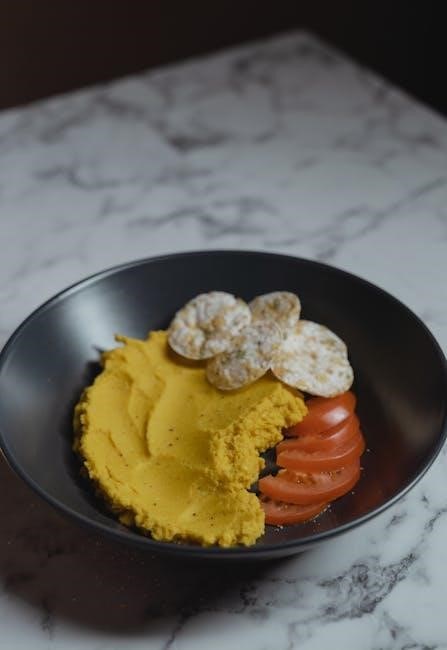
Numerous plant-based options excel in providing protein for a low-carb vegetarian diet‚ comprehensively outlined in many PDF diet plans. Legumes and pulses – lentils‚ chickpeas‚ and beans – are staples‚ though carb content requires mindful portion control‚ as detailed in downloadable guides.
Tofu and tempeh‚ soy-based products‚ offer complete proteins and versatility‚ frequently featured in PDF recipe collections. Lacto-ovo vegetarians benefit from dairy (Greek yogurt‚ cottage cheese) and eggs‚ providing high-quality protein and essential nutrients.
Nuts and seeds – almonds‚ chia seeds‚ flaxseeds – contribute protein alongside healthy fats‚ often included in snack suggestions within PDF meal plans. These sources‚ when strategically combined‚ can effectively meet daily protein requirements‚ ensuring muscle maintenance and satiety‚ as demonstrated in various PDF resources;
Legumes and Pulses
Legumes and pulses – lentils‚ chickpeas‚ black beans‚ kidney beans – are protein powerhouses for vegetarians‚ frequently detailed in PDF low-carb diet plans. However‚ their carbohydrate content necessitates careful consideration and portion control to align with a low-carb approach‚ as emphasized in downloadable guides.
Incorporating these into meals requires strategic planning; pairing them with non-starchy vegetables and healthy fats can mitigate their impact on blood sugar‚ a technique often illustrated in PDF recipe books. Lentil soups‚ chickpea salads‚ and bean-based chili can be adapted for low-carb diets.
Many PDF resources provide specific serving size recommendations and recipe modifications to maximize protein intake while minimizing carbohydrate consumption. Understanding net carbs (total carbs minus fiber) is crucial when utilizing legumes and pulses within a high-protein‚ low-carb vegetarian framework‚ as explained in comprehensive PDF guides.
Tofu and Tempeh
Tofu and tempeh‚ soy-based protein sources‚ are staples in many vegetarian high-protein‚ low-carb diets‚ often highlighted in detailed PDF meal plans. Tofu’s versatility allows for diverse culinary applications‚ while tempeh offers a firmer texture and nuttier flavor‚ both detailed in downloadable resources.
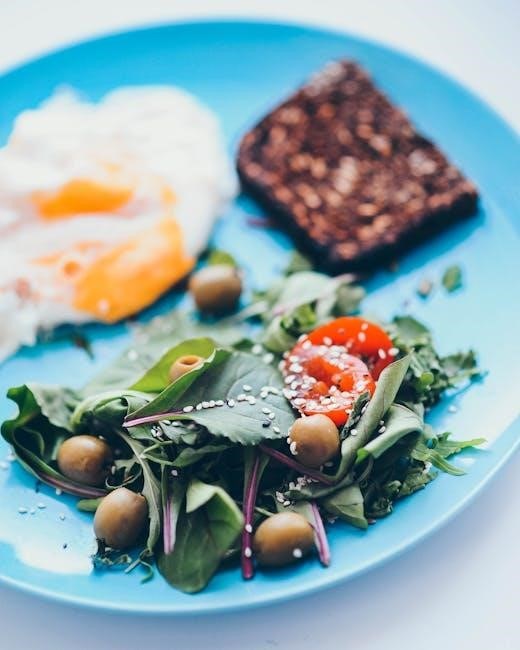
When following a low-carb approach‚ choosing firm or extra-firm tofu is recommended‚ as it contains less water and therefore a higher protein-to-carb ratio‚ a point frequently emphasized in PDF guides. Marinating and baking‚ stir-frying‚ or crumbling tofu are excellent low-carb preparation methods.
Tempeh‚ being naturally lower in carbs than tofu‚ is an ideal choice for those strictly monitoring carbohydrate intake‚ with numerous recipes available in PDF format. Both tofu and tempeh readily absorb flavors‚ making them adaptable to various cuisines and dietary preferences‚ as showcased in comprehensive PDF cookbooks.
Dairy and Eggs (for Lacto-Ovo Vegetarians)
For lacto-ovo vegetarians‚ dairy and eggs represent excellent‚ readily available protein sources within a high-protein‚ low-carb framework‚ frequently detailed in downloadable PDF diet plans. Eggs‚ particularly‚ are nutrient powerhouses‚ offering complete proteins and healthy fats‚ with numerous low-carb recipes available in PDF guides.
Dairy products like Greek yogurt‚ cottage cheese‚ and hard cheeses provide substantial protein while remaining relatively low in carbohydrates‚ a key consideration emphasized in many PDF resources. Opting for full-fat versions can enhance satiety and flavor‚ aligning with the principles of a satisfying‚ sustainable diet‚ as outlined in PDF meal plans.
However‚ mindful portion control is crucial‚ as some dairy products contain lactose‚ a natural sugar. Detailed PDF guides often provide specific serving sizes and carbohydrate counts to help vegetarians stay within their desired macros. Incorporating these foods strategically supports protein goals and overall dietary success.
Nuts and Seeds
Nuts and seeds are valuable additions to a high-protein‚ low-carb vegetarian diet‚ frequently highlighted in comprehensive PDF diet plans as convenient and nutrient-dense snacks or meal components. They deliver a good dose of protein‚ healthy fats‚ and fiber‚ contributing to satiety and overall well-being‚ as detailed in various PDF resources.
Chia seeds‚ flaxseeds‚ hemp seeds‚ almonds‚ walnuts‚ and pumpkin seeds are particularly beneficial‚ offering diverse nutritional profiles. Many PDF guides showcase recipes incorporating these ingredients‚ such as seed-based puddings or nut-crusted vegetables‚ providing flavorful and satisfying options.
However‚ portion control is essential due to their calorie density. PDF plans often emphasize mindful serving sizes to prevent overconsumption. While beneficial‚ nuts and seeds should complement‚ not dominate‚ the diet. Exploring PDF recipe collections can unlock creative ways to integrate them effectively.
Sample 7-Day Meal Plan
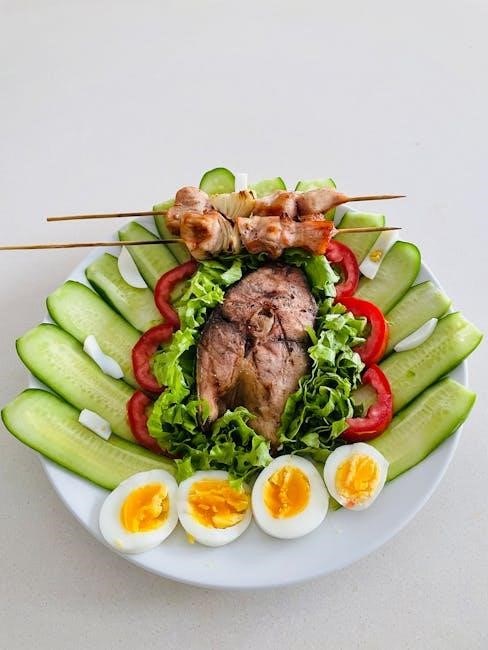
A well-structured 7-day meal plan‚ often found within detailed PDF guides‚ is crucial for successfully implementing a high-protein‚ low-carb vegetarian diet. These plans typically prioritize protein-rich vegetarian sources alongside non-starchy vegetables and healthy fats‚ offering a practical roadmap for consistent adherence‚ as showcased in numerous PDF resources.
Expect breakfasts featuring tofu scrambles or Greek yogurt with nuts‚ lunches centered around large salads with legumes or tempeh‚ and dinners incorporating vegetable stir-fries with added protein. Many PDF plans include specific recipes and macronutrient breakdowns for each meal‚ simplifying meal preparation and tracking.
Remember that these are samples; personalization is key. PDF guides often encourage adjustments based on individual needs and preferences. Utilizing a PDF meal plan provides structure‚ but flexibility remains important for long-term sustainability and enjoyment of the diet.
Breakfast Ideas
Kickstarting your day with a high-protein‚ low-carb breakfast is vital‚ and many PDF diet plans offer a variety of options. Common suggestions‚ detailed in these resources‚ include egg-based dishes (for lacto-ovo vegetarians) like omelets filled with spinach and mushrooms‚ providing sustained energy.
Tofu scrambles‚ seasoned with turmeric and nutritional yeast‚ are a fantastic vegan alternative‚ mirroring the texture of eggs and delivering a protein punch. Greek yogurt‚ paired with a handful of nuts and seeds‚ offers a quick and convenient option‚ frequently highlighted in PDF guides.
Consider cottage cheese‚ another excellent protein source‚ enjoyed with berries for a touch of sweetness. PDF plans often emphasize creative combinations‚ ensuring breakfast remains enjoyable and satisfying while adhering to the diet’s principles. These ideas‚ readily available in PDF formats‚ promote fullness and minimize cravings.
Lunch Ideas
Maintaining a high-protein‚ low-carb approach at lunchtime is crucial‚ and numerous PDF diet plans provide diverse and satisfying options. Salads featuring tempeh or tofu‚ combined with non-starchy vegetables like lettuce‚ spinach‚ and cucumber‚ are frequently recommended‚ as detailed in these guides.

Lentil soups‚ while requiring portion control due to carbohydrate content‚ can be a hearty and protein-rich choice‚ often included in PDF meal plans; For lacto-ovo vegetarians‚ egg salad (made with avocado instead of mayonnaise) on a bed of greens offers a quick and easy solution.
Many PDF resources suggest utilizing leftovers from dinner‚ ensuring minimal food waste and consistent adherence to the diet. Consider a cheese and vegetable omelet or a tofu stir-fry with cauliflower rice. These lunch ideas‚ readily available in PDF formats‚ help sustain energy levels and prevent afternoon slumps.
Dinner Ideas
Dinner presents an excellent opportunity to maximize protein intake while remaining low-carb‚ and comprehensive PDF diet plans offer a wealth of inspiration. Tofu or tempeh-based stir-fries‚ utilizing plenty of non-starchy vegetables like broccoli‚ peppers‚ and onions‚ are consistently featured.
Lentil or bean-based curries‚ served with a small portion of cauliflower rice‚ provide a flavorful and filling option‚ often detailed in PDF recipe collections. For lacto-ovo vegetarians‚ baked eggs with spinach and feta cheese‚ or a salmon (if pescatarian) with roasted asparagus‚ are excellent choices.
Many PDF guides emphasize the importance of healthy fats alongside protein‚ suggesting incorporating avocado‚ olive oil‚ or nuts into dinner preparations. Exploring diverse vegetarian recipes within these PDF resources ensures variety and prevents dietary monotony‚ supporting long-term adherence to the plan.
Snack Options
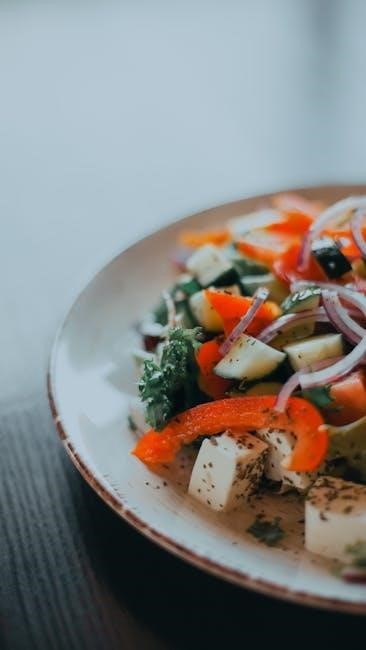
Maintaining stable blood sugar and satiety between meals is crucial on a high-protein‚ low-carb vegetarian diet‚ and PDF resources often dedicate sections to convenient snack ideas. A handful of almonds or walnuts provides healthy fats and a protein boost‚ frequently highlighted in downloadable PDF guides.
Greek yogurt (plain‚ unsweetened) with a few berries is another excellent choice‚ offering both protein and antioxidants‚ as detailed in many PDF meal plans. Cottage cheese‚ similarly‚ is a protein-rich snack that fits well within the dietary parameters‚ often included in sample PDF shopping lists.
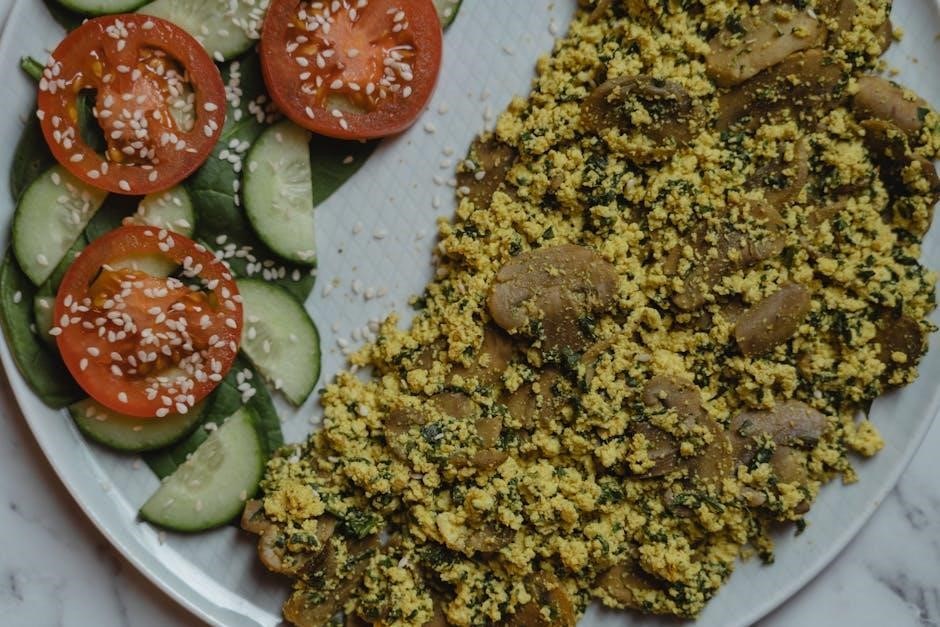
Hard-boiled eggs (for lacto-ovo vegetarians) are a portable and satisfying snack‚ while edamame pods offer a good source of plant-based protein. PDF diet plans often emphasize mindful snacking‚ encouraging portion control and avoiding processed‚ high-carb alternatives to support weight management goals.
Hydration and Supplementation
Adequate hydration is paramount when following a high-protein‚ low-carb vegetarian diet‚ and comprehensive PDF guides frequently emphasize drinking plenty of water throughout the day to support metabolic processes and prevent constipation. Electrolyte balance can also be affected by carbohydrate restriction‚ so PDF resources may suggest incorporating electrolyte-rich beverages.
Vegetarians‚ particularly those limiting carbs‚ may benefit from specific supplements. Vitamin B12 is often recommended‚ as it’s primarily found in animal products‚ a point frequently addressed in PDF nutritional information. Iron and zinc levels should also be monitored‚ with supplementation considered if deficiencies are identified‚ as detailed in some PDF health assessments.
Vitamin D‚ crucial for overall health‚ is often lacking in vegetarian diets‚ and PDF plans may suggest supplementation‚ especially during winter months. Creatine‚ while not essential‚ can support muscle mass and performance‚ and is sometimes discussed within PDF fitness-focused diet plans.
Potential Side Effects and How to Manage Them
Transitioning to a high-protein‚ low-carb vegetarian diet‚ as outlined in many PDF guides‚ can initially cause some side effects. Common ones include the “keto flu” – fatigue‚ headache‚ and nausea – due to electrolyte imbalances and carbohydrate adaptation; PDF resources often recommend increased sodium and potassium intake to mitigate this.
Digestive issues like constipation are frequent‚ stemming from reduced fiber intake. PDF diet plans emphasize incorporating non-starchy vegetables and adequate hydration to combat this. Some individuals may experience nutrient deficiencies if the diet isn’t well-planned; PDF checklists can help ensure adequate intake.
Monitoring for kidney stress is crucial‚ particularly with high protein consumption. PDF guides advise staying well-hydrated and consulting a healthcare professional if pre-existing kidney conditions exist. Addressing these potential issues proactively‚ guided by a detailed PDF plan‚ ensures a smoother dietary transition.
Adapting the Diet for Different Activity Levels
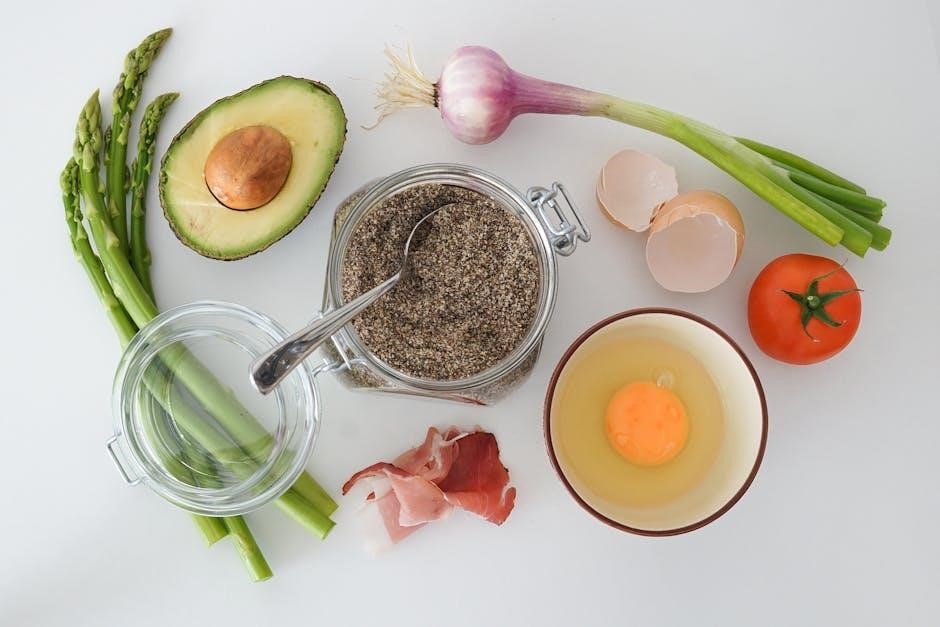
Adjusting a high-protein‚ low-carb vegetarian diet‚ detailed in comprehensive PDF resources‚ is vital based on activity levels. Sedentary individuals require less protein and fewer calories overall; PDF plans offer scaled-down meal options for lower energy expenditure.
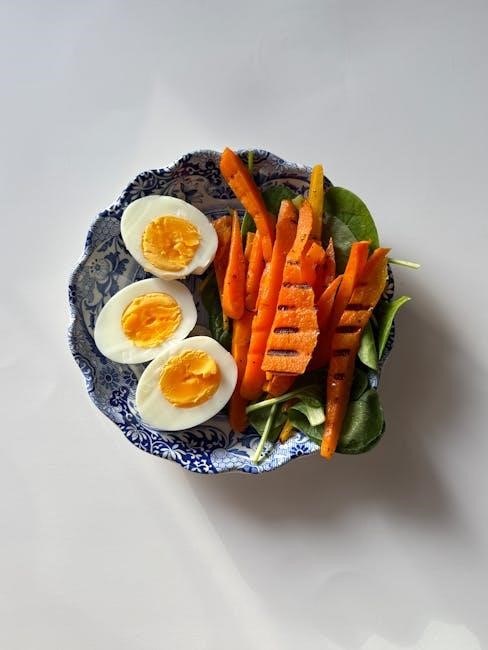
For moderately active individuals‚ increasing protein intake slightly supports muscle maintenance and recovery. PDF guides suggest adding a small protein-rich snack post-workout. Highly active individuals‚ including athletes‚ need significantly more protein to repair muscle tissue and optimize performance; PDF plans provide higher protein targets and strategic meal timing.
Carbohydrate intake can also be adjusted; Active individuals may tolerate slightly higher carb intake from non-starchy vegetables to fuel workouts. PDF resources emphasize listening to your body and adjusting macronutrient ratios based on energy levels and performance‚ ensuring the diet remains sustainable and effective;
Long-Term Sustainability
Maintaining a high-protein‚ low-carb vegetarian diet long-term‚ as outlined in detailed PDF guides‚ requires a shift towards lifestyle integration rather than restrictive dieting. Focusing on whole‚ unprocessed plant-based foods is key; PDF resources emphasize meal prepping and batch cooking to simplify adherence.
Flexibility is crucial. Rigid adherence can lead to burnout. PDF plans often suggest incorporating occasional‚ controlled refeeds of complex carbohydrates to replenish glycogen stores and maintain metabolic flexibility. Social situations shouldn’t be a source of stress; PDF guides offer strategies for navigating dining out and social events.
Prioritizing enjoyment and variety prevents monotony. Experimenting with diverse vegetarian protein sources and flavorful recipes‚ readily available in PDF recipe collections‚ fosters long-term commitment. Regular self-assessment and adjustments‚ guided by PDF tracking tools‚ ensure the diet remains aligned with individual needs and goals.
Resources for Vegetarian Low-Carb Recipes (PDF Focus)
Numerous online platforms offer downloadable PDF resources brimming with vegetarian‚ low-carb recipes tailored for various skill levels. Websites specializing in ketogenic and low-carb diets frequently include dedicated vegetarian sections with downloadable meal plans and recipe collections in PDF format.

Dedicated health and wellness blogs often provide free PDF recipe guides as lead magnets‚ focusing on high-protein vegetarian options. Searching for “vegetarian low-carb PDF” yields a wealth of results‚ including comprehensive cookbooks and weekly meal planners.
Platforms like Diet Doctor and various fitness coach websites offer premium PDF recipe bundles‚ often categorized by dietary restrictions and preferences. These resources typically include nutritional information‚ shopping lists‚ and detailed cooking instructions‚ streamlining the meal preparation process. Remember to verify the source’s credibility before downloading any PDF.
Tracking Progress and Making Adjustments
Consistent monitoring is crucial for success with any dietary plan‚ including a high-protein‚ low-carb vegetarian approach. Regularly track your weight‚ body measurements‚ and energy levels to assess the diet’s effectiveness. Utilize food diaries or apps to meticulously record your daily intake‚ ensuring adherence to protein and carbohydrate targets outlined in your PDF plan.
Pay attention to how your body responds. If weight loss plateaus‚ or you experience persistent fatigue‚ consider adjusting your macronutrient ratios. Slightly increasing protein intake or further reducing carbohydrate consumption might be necessary. Review your PDF resources for guidance on making these modifications.
Don’t hesitate to experiment with different recipes and meal timings to find what works best for your lifestyle. Regularly reassess your goals and adjust the plan accordingly‚ ensuring long-term sustainability and continued progress. Remember‚ flexibility is key!
Important Considerations and Disclaimer
Before starting any new diet‚ especially one as restrictive as a high-protein‚ low-carb vegetarian plan‚ consult with a healthcare professional or registered dietitian. This is particularly important if you have pre-existing medical conditions‚ such as kidney disease or diabetes. The information presented in this‚ or any associated PDF guide‚ is not a substitute for professional medical advice.
Individual results may vary. Factors like metabolism‚ activity level‚ and adherence to the plan significantly influence outcomes. Be mindful of potential nutrient deficiencies‚ and consider supplementation as recommended by your healthcare provider.
This diet may not be suitable for everyone‚ including pregnant or breastfeeding women. Always prioritize your health and well-being. The creators of this plan and any accompanying PDF materials assume no responsibility for any adverse effects resulting from its implementation. Use responsibly and at your own discretion.
Leave a Reply
You must be logged in to post a comment.