
Islam’s divine origin is supported by evidence, offering a compelling path to truth for those seeking genuine understanding and spiritual fulfillment today.
The Core Claim: Islam as Divine Truth
The foundational tenet of Islam rests upon the unwavering belief that it represents the absolute and final divine truth revealed by God (Allah) to humanity through the Prophet Muhammad (peace be upon him). This claim isn’t based on blind faith, but is substantiated by internal consistency within the Quran, fulfilled prophecies, and compelling rational arguments.
Notably, the Quran accurately foretold the Roman Empire’s eventual victory over the Persian Empire after a period of Persian dominance – a historical event verified after its occurrence. Furthermore, the Quran presents a unique literary challenge (2:23), inviting skeptics to produce a text of comparable eloquence, a challenge that remains unmet to this day.
Evidence-Based arguments, meticulously compiled in scholarly works, demonstrate Islam’s divine origin, appealing to both intellect and heart, utilizing primary Islamic sources and rigorous academic analysis.
Addressing Skepticism and Doubt
Skepticism regarding Islam’s truth claims is natural and even encouraged within the faith itself, as critical inquiry is valued. However, Islam provides robust responses to common doubts. The Quran’s internal coherence, despite being revealed over 23 years, is a key argument against human authorship.
The literary challenge posed in 2:23 – to produce a comparable surah – directly addresses concerns about the Quran’s divine origin. Furthermore, the historical accuracy of Quranic prophecies, like the Roman-Persian war, strengthens its credibility.
Acknowledging potential misconceptions and offering reasoned explanations, alongside access to authentic Islamic sources and scholarly research, fosters understanding and dispels unfounded doubts, inviting open-minded exploration.

The Quran: Internal Consistency and Prophecy
The Quran’s remarkable consistency and fulfilled prophecies, such as the Roman victory, demonstrate its divine authorship and validate Islam’s core tenets.
Quranic Prophecies Fulfilled: The Roman-Persian War
A striking demonstration of the Quran’s divine origin lies in its accurate prediction concerning the Roman-Persian War. During a period when the Persian Empire decisively dominated the Romans, the Quran foretold a surprising reversal – a Roman victory within a few years.
Specifically, Surah Ar-Rum (Chapter 30) speaks of the Romans being defeated “in the lowest land,” referencing their loss to the Persians in Syria. However, the verse immediately continues with the promise of the Romans’ eventual triumph, “but after their defeat, they will overcome [the Persians] within three to five years.”
This prophecy was remarkably fulfilled, as the Romans, under Emperor Heraclius, launched a counteroffensive and achieved a decisive victory over the Persians between 622-628 CE. This event, accurately predicted in the Quran, serves as compelling evidence of its divine inspiration and the truth of Islam.
The Quranic Challenge: Literary Inimitability (2:23)

The Quran presents a unique and enduring challenge to all of humanity, particularly regarding its literary excellence. Verse 2:23 boldly states: “And if you are in doubt about what We have sent down upon Our Servant [Muhammad], then produce a surah the like thereof and call upon your witness other than Allah, if you should be truthful.”
This isn’t merely a call for similar religious content; it demands the creation of a text possessing the Quran’s precise rhetorical style, linguistic beauty, and comprehensive depth. Despite centuries of effort by the most skilled Arabic poets and scholars, no one has successfully met this challenge.
The Quran’s inimitability remains a powerful testament to its divine authorship, demonstrating a level of literary perfection unattainable by human capability, solidifying its claim as divine truth.
Evidence-Based Arguments for Islamic Origin
Scholarly research consistently presents rational proofs supporting Islam’s divine origin. Historical analysis reveals fulfilled prophecies, such as the Roman-Persian War’s outcome, accurately foretold within the Quranic text. This predictive accuracy points towards a source beyond human comprehension.
Furthermore, the Quran’s internal consistency, despite being revealed over 23 years, is remarkable. The text lacks contradictions, demonstrating a unified and coherent message. Academic rigor applied to primary Islamic sources confirms the authenticity and preservation of the Quranic text throughout history.
These evidence-based arguments, combined with the literary challenge (2:23), build a compelling case for Islam’s divine foundation, appealing to both intellect and faith.

Islamic Theology and the Concept of Truth
Islam uniquely defines truth through al-Haqq and al-Haqiqa, explored deeply within Sufism, offering a nuanced understanding of reality.
Al-Haqq (Truth) and Al-Haqiqa (Reality) in Islam
Within Islamic theology, the concepts of al-Haqq (Truth) and al-Haqiqa (Reality) are profoundly interconnected, yet distinct. Al-Haqq represents the absolute, objective Truth emanating from God – a divine attribute and the ultimate reality. It’s not merely a philosophical concept but a lived experience, a connection to the divine source of all existence.
Al-Haqiqa, on the other hand, delves into the experiential understanding of this Truth. It’s the unveiling of reality through spiritual insight and purification of the heart. Sufism, the mystical dimension of Islam, places significant emphasis on attaining al-Haqiqa through practices like contemplation, devotion, and self-discipline.
These concepts aren’t simply intellectual exercises; they are pathways to a deeper comprehension of God and one’s place within the universe, guiding believers towards a life aligned with divine will and purpose.
The Role of Sufism in Understanding Truth
Sufism, Islam’s mystical tradition, offers a unique pathway to experiencing al-Haqq (Truth) and attaining al-Haqiqa (Reality). Through practices like dhikr (remembrance of God), meditation, and the guidance of a spiritual master (murshid), Sufis seek to purify the heart and unveil the divine presence within.
This journey isn’t about intellectual assent to doctrines, but a direct, experiential realization of Truth. Sufi poetry, music, and art often serve as vehicles for conveying this profound understanding, transcending rational limitations.
Sufism emphasizes the importance of inner transformation and selfless love as essential components in the pursuit of Truth, fostering a deep connection with the divine and a compassionate understanding of all creation.
Islamic Ethics and Moral Framework
Islamic teachings prioritize honesty and frankness, recognizing their vital role in building trust and fostering healthy relationships within the community and beyond.
Honesty and Frankness in Islamic Teachings
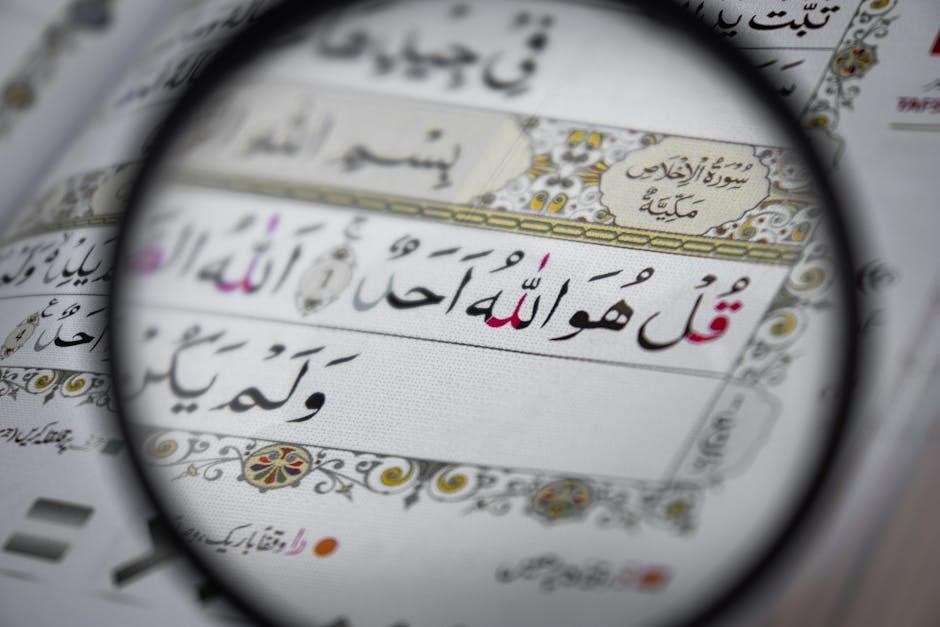
Within the Islamic ethical framework, honesty (sidq) and frankness are not merely virtues but foundational pillars of a righteous life. The Quran and Sunnah consistently emphasize the importance of truthful speech and sincere dealings. It’s noted that while everyone appreciates flattery, they distrust honesty, yet Islamic tradition elevates truthfulness above all else.
This commitment extends beyond avoiding outright lies to encompass sincerity in intention and transparency in action. The Prophet Muhammad (peace be upon him) exemplified this, earning the title “Al-Amin” (the trustworthy) even before his prophethood. Islamic teachings recognize that while honesty might sometimes lead to temporary discomfort or even opposition, it ultimately builds strong character and fosters genuine connections. Conversely, deceit erodes trust and leads to societal breakdown.

Islamic Law (Sharia) and Social Justice
Sharia addresses inheritance, granting women rights—though differing from men—demonstrating a historically progressive legal framework focused on equitable societal structures.
Inheritance Laws in Islam: Women’s Rights
Islamic inheritance laws, often a point of discussion, reveal a nuanced approach to women’s rights within a 7th-century Arabian context. While it’s frequently stated that women inherit half the share of men, this isn’t a universal rule and requires careful consideration. This difference historically provided for women, who weren’t typically income earners, ensuring their financial security.
The Quran outlines specific shares for various relatives, and the male share being double a female’s is often tied to men’s financial responsibilities – supporting families and engaging in charitable giving. However, a woman’s inheritance is her own to control, unlike in some other legal systems of the time. This demonstrates a significant advancement in women’s economic autonomy, establishing ownership rights previously uncommon.
Understanding these laws necessitates acknowledging the historical and societal context in which they were revealed, showcasing a progressive step towards female financial independence.

Islam’s Continued Relevance in Modern Society
Islam’s enduring global influence, despite misconceptions, demonstrates its capacity to address contemporary challenges and offer meaningful guidance to billions worldwide.
The Enduring Influence of Islam Globally
Islam’s pervasive influence extends across continents, shaping cultures, philosophies, and legal systems for over fourteen centuries. From the vibrant intellectual centers of medieval Baghdad to the modern metropolises of Jakarta and Istanbul, the faith continues to inspire and guide billions. This enduring presence isn’t merely historical; it’s a dynamic force in contemporary geopolitics, economics, and social movements.
The faith’s rapid growth, particularly in diverse regions, underscores its inherent appeal and adaptability. Despite facing numerous challenges and misrepresentations, Islam maintains a strong foothold in both traditional societies and increasingly secularized environments. This resilience speaks to the faith’s capacity to address fundamental human needs and offer a comprehensive worldview that resonates with people from all walks of life, proving its continued relevance.

Addressing Common Misconceptions About Islam
Many misunderstandings surround Islam; clarifying controversial topics through authentic sources and reasoned discourse is crucial for fostering accurate perceptions and understanding.
Clarifying Controversial Topics
Frequently, discussions about Islam encounter sensitive areas requiring careful consideration and nuanced explanations. Topics like inheritance laws, often perceived as unequal, stem from broader familial responsibilities within Islamic tradition, where men historically bore primary financial burdens; Similarly, interpretations of verses concerning women are often taken out of context, neglecting the overall emphasis on dignity and rights granted within the faith.
Addressing concerns about Islamic law (Sharia) necessitates differentiating between divine principles and cultural interpretations. The core tenets promote justice, compassion, and the protection of life, property, and faith. Honest and frank dialogue, as valued in Islamic teachings, is essential for dispelling misinformation and fostering mutual respect. Examining primary Islamic sources and scholarly analyses provides a more accurate understanding than relying on biased narratives.

Resources for Further Exploration
Explore scholarly articles and authentic Islamic sources to deepen your understanding, fostering informed inquiry and a comprehensive perspective on the faith.
Scholarly Articles and Research
Delving into academic research provides a robust foundation for understanding Islam’s claims. Numerous scholarly articles present rational, evidence-based proofs supporting its divine origin, moving beyond faith-based assertions. These resources employ primary Islamic sources alongside rigorous academic methodology, offering a balanced and nuanced perspective.

“Evidences of Islam” is a comprehensive collection dedicated to this purpose, addressing both intellectual and spiritual inquiries. Researchers explore internal consistency within the Quran, fulfilled prophecies – such as the Roman-Persian War – and the literary challenge posed in Surah 2:23 regarding its inimitability.
Further investigation reveals studies on Islamic theology, ethics, and law, demonstrating a coherent and just framework. Accessing these materials fosters critical thinking and allows for a well-informed evaluation of Islam’s truth claims.
Authentic Islamic Sources
Engaging directly with primary Islamic texts is crucial for a genuine understanding. The Quran itself presents a central claim of divine origin, inviting scrutiny and reflection. Studying its verses, particularly those addressing skepticism and offering challenges – like Surah 2:23 concerning literary inimitability – provides direct access to its core message.
Alongside the Quran, the authentic Sunnah (teachings and practices of Prophet Muhammad) offers vital context and guidance. Reliable collections of Hadith, rigorously vetted for authenticity, illuminate the practical application of Islamic principles.
Exploring these sources allows individuals to move beyond secondary interpretations and form their own informed conclusions. Accessing translations and commentaries by reputable scholars ensures a nuanced and accurate understanding of Islam’s foundational texts.
Ultimately, exploring Islam requires open-minded inquiry and a willingness to engage with its core tenets, inviting personal reflection and discovery.
The Importance of Open-Minded Inquiry
A genuine search for truth demands intellectual honesty and a willingness to consider perspectives beyond pre-conceived notions. Approaching Islam with an open mind allows for unbiased evaluation of its claims and evidence. Dismissing it outright, without investigation, hinders the pursuit of understanding.
Examining the Quran’s internal consistency, fulfilled prophecies – like the Roman-Persian War – and the literary challenge in 2:23 fosters critical thinking. Engaging with scholarly articles and authentic Islamic sources provides a foundation for informed judgment.
Furthermore, recognizing the enduring global influence of Islam and addressing common misconceptions requires a commitment to objective analysis. True understanding blossoms from respectful dialogue and a sincere desire to uncover reality, not reinforce existing biases.
The Invitation to Explore Islam
We extend a sincere invitation to embark on a journey of discovery, delving into the rich tapestry of Islamic thought and practice. Explore the Quran’s profound wisdom, its intricate legal framework – like inheritance laws addressing women’s rights – and the ethical principles that underpin a just society.
Consider the nuanced understanding of truth embodied in concepts like al-Haqq and al-Haqiqa, and the role of Sufism in deepening spiritual insight. Investigate the evidence-based arguments supporting Islam’s divine origin, presented in scholarly works.
This exploration isn’t about blind faith, but informed conviction. Engage with the material, ask questions, and allow yourself to be moved by the beauty and coherence of this ancient faith.
Leave a Reply
You must be logged in to post a comment.