
Weight Watchers Scale User Guide: A Comprehensive Guide
Your Weight Watchers scale is designed for easy weight tracking and accuracy; Follow the setup guide to remove packaging and check the battery compartment. Ensure your battery is fully charged for optimal performance. Select your preferred unit of measurement for precise readings. For best results, keep the scale on a flat surface and avoid exceeding the scales capacity, which is typically under 300 pounds. Sync your scale with the Weight Watchers app for seamless tracking. Always store your scale in a dry place to maintain its functionality.
Getting Started with Your Weight Watchers Scale
To begin using your Weight Watchers scale, carefully remove all packaging materials from the unit. Locate the battery compartment and remove the isolator tab to ensure the battery is active. Before your first use, select your preferred measurement unit—either pounds or kilograms. Ensure the scale is placed on a flat, hard surface to guarantee accuracy. For optimal performance, avoid placing additional objects or excessive weight on the scale. Follow the user guide to ensure you set it up correctly. The scale is designed for simple, efficient weight tracking, so take a moment to familiarize yourself with its features. The device is ready to use once the battery is correctly installed and the unit preferences are set. By following these steps, you can start monitoring your weight effectively. Happy weigh-ins!
Battery Operations
Your Weight Watchers scale relies on its battery to function properly. To ensure optimal performance, always use the specific battery type recommended in the user guide. Check the battery compartment regularly and replace the battery when the low battery indicator appears. A low battery will display an error message, so replace it promptly to avoid interruptions. Store spare batteries in a cool, dry place to maintain longevity. For best results, install the battery with the correct polarity to ensure proper operation. If the scale shows an Err message, check the battery connections or try replacing the battery. Ensure the isolator tab is fully removed once the battery is installed to activate the device. Use high-quality batteries for reliable performance and avoid mixing old and new batteries. Refer to the user guide for detailed instructions on battery maintenance. By following these steps, you can maximize the life and reliability of your scale’s battery.
Weighing Yourself
Properly weighing yourself is essential for accurate results with your Weight Watchers scale; Before use, ensure the scale is on a flat, stable surface to maintain precision. Step onto the scale slowly and stand still to get the most dependable reading. The scale can measure up to its full capacity, typically set at 300 pounds, so avoid exceeding this limit. If you encounter an error, ensure the scale is properly calibrated and free of any obstructions. For the best experience, sync your scale with the Weight Watchers app to track your weight over time. Regular weighing helps you monitor progress and stay motivated. Always handle the scale with care to preserve its functionality and accuracy; Follow these steps for consistent and reliable measurements to support your weight-loss journey effectively.
Connecting Your Scale
To connect your Weight Watchers scale to other devices or the Weight Watchers app, follow the steps outlined in the user guide. First, ensure your scale is within range and discoverable. Turn on Bluetooth on your device and locate the scale in the pairing menu. Once connected, open the Weight Watchers app and follow the prompts to sync your scale. This feature allows you to automatically track your weight in the app, making monitoring your progress easier. If you encounter connection issues, try restarting the scale or your device, and ensure the battery is charged. Properly connecting your scale ensures seamless integration with your weight-loss journey, providing accurate and up-to-date information at your fingertips.
Troubleshooting Common Issues
Encountering issues with your Weight Watchers scale? Here’s how to resolve them. If your scale won’t turn on, ensure the battery compartment is properly closed and the isolator tab has been removed. Check the battery level; a low battery may display an “Err” message or affect performance. If the scale shows “Err,” try resetting it by removing the battery for 30 seconds or placing it on a flat surface to prevent calibration issues. Connectivity problems may arise if the scale is out of range or paired with multiple devices—restart the scale and device to refresh the connection. If the weight reading is inaccurate, ensure the scale is placed on a stable, hard surface. Refer to the user guide for additional troubleshooting steps or contact customer support for further assistance.
Maintenance and Care
Proper maintenance ensures your Weight Watchers scale remains accurate and functions optimally for years. Handle your scale gently, avoiding drops or rough handling to prevent damage. Store it in a dry place away from moisture to protect sensitive electronic components. Clean the surface with a damp cloth, but avoid using harsh chemicals that may scratch or damage the finish. If the scale is not in use for extended periods, remove the battery to preserve its longevity. Periodically check the calibration to ensure accurate readings, as instructed in the user guide. Avoid placing heavy objects on the scale, as this may strain the internal sensors. If you notice any unusual behavior, such as inconsistent readings, refer to the troubleshooting section for solutions. Regular care and attention will help your scale maintain its precision and reliability, making it a valuable tool in your weight management journey.
Special Features
Your Weight Watchers scale is designed with advanced features to enhance your weight tracking experience. The scale is equipped with a reliable weight measurement system that provides precise and consistent readings. One of its standout features is its compatibility with the Weight Watchers app, allowing seamless syncing of your weight data for easy tracking and analysis. The scale also features a low battery indicator, ensuring you never miss a weighing session due to a dead battery. Additionally, its compact design makes it easy to store, while its durable construction ensures long-lasting performance. For added convenience, the scale automatically shuts off after a period of inactivity to conserve power. The inclusion of these features makes your Weight Watchers scale a valuable tool for achieving your weight management goals. Whether you’re using it for daily weigh-ins or tracking progress over time, its special features are designed to simplify your journey toward a healthier lifestyle.
Using Your Scale with the Weight Watchers Program
Incorporating your Weight Watchers Scale into the Weight Watchers program enhances your weight-loss journey. The scale syncs seamlessly with the Weight Watchers app, allowing you to track your progress and stay motivated. By connecting your scale, you can view your weight history and track your measurements over time. This integration helps you make healthier choices and stay on track with your goals. The app provides personalized insights, helping you adjust your diet and exercise routines based on your weight trends. Additionally, the scale’s compatibility with the Weight Watchers system simplifies tracking your PointsPlus values and diary. Regular weigh-ins encourage accountability and help you stay focused on your objectives. Using your scale with the Weight Watchers program provides a comprehensive approach to weight management, combining technology with expert guidance for long-term success.
Error Codes and Solutions
Your Weight Watchers scale is designed to provide accurate measurements, but like any electronic device, it may encounter errors. Below are common error codes and their solutions:
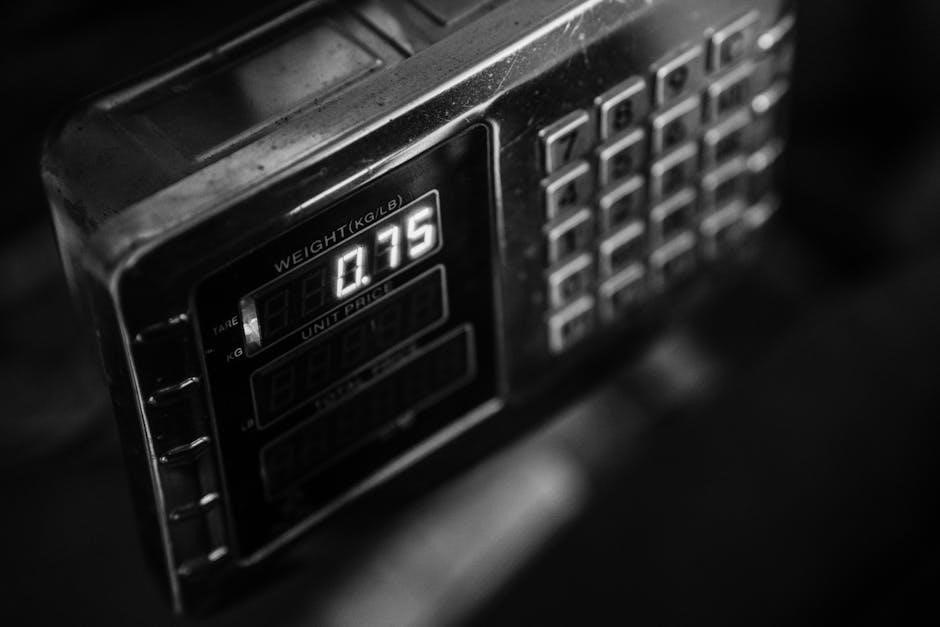
- Err: This code appears when the scale is overloaded or damaged. Ensure the weight on the scale does not exceed its maximum capacity, typically 300 pounds. If the issue persists, contact Weight Watchers customer support for further assistance.
- Low Battery: A low battery warning appears when the battery charge is insufficient. Replace the battery as soon as possible to maintain functionality. The battery compartment is located on the underside of the scale.
- Random Codes: If you encounter unexpected error codes, try resetting the scale by turning it off and on again. Clear all items from the scale and ensure it’s placed on a flat, stable surface to rule out calibration issues.
- Calibration Issues: If the scale does not display “0” when empty, calibration may be required. Follow the User Guide instructions to recalibrate the scale for accurate readings.
If errors persist, consult the Weight Watchers Scale User Guide or contact customer support for troubleshooting assistance. Regular maintenance and proper battery care can help prevent errors and ensure your scale functions optimally.
Battery Life and Longevity
To maximize the battery life of your Weight Watchers scale, follow these tips for optimal performance and longevity:
Always ensure the scale is turned off when not in use. Extended periods of use or standby can drain the battery faster.
Replace the battery promptly when you notice low battery warnings or decreased functionality. A fresh battery ensures accurate readings and prevents errors.
Store the scale in a dry, cool place to protect the battery from damage caused by moisture or extreme temperatures.
Avoid frequently turning the scale on and off, as this can reduce battery longevity. Instead, use it consistently to maintain stable performance.
For best results, remove the isolator tab from the battery compartment before first use to ensure proper battery activation.
Battery life can last up to a year with regular use, depending on the frequency of weigh-ins and proper maintenance. A well-cared-for scale will provide accurate measurements and reliable service for years to come. Always refer to the User Guide for specific battery recommendations and troubleshooting tips.
Weight Tracking and Syncing
To effectively track and sync your weight using the Weight Watchers Scale, ensure the scale is paired with the dedicated app for seamless data transfer. Follow these steps for a smooth setup:

Download the App: Begin by downloading the free app, “Weight Watchers Scales by Conair,” available from your device’s app store. This app facilitates easy weight tracking and synchronization.
Pairing the Scale: Once the app is installed, follow the on-screen instructions to pair your scale. This typically involves enabling Bluetooth on your device and selecting the appropriate connection option within the app.
Initial Setup: Ensure the scale is placed on a flat, stable surface to maintain accuracy. Activate the scale as per the user guide and allow the app to establish a connection.
Automatic Sync: After pairing, the app will automatically sync your weight measurements, providing a real-time record of your progress. This feature allows you to monitor your weight over time conveniently.
Tips for Accuracy: To ensure consistent and accurate syncing, weigh yourself at the same time and place daily. Avoid external factors, such as uneven surfaces, that might affect measurement precision.
Troubleshooting: If syncing issues arise, restart both the scale and the app. Additionally, check for any pending updates for the app and firmware updates for the scale to ensure optimal performance;
Consistent Schedule: Establish a routine weigh-in schedule to track your weight effectively. Consistency aids in identifying trends and patterns in your weight journey.
By following these steps and best practices, you can efficiently track and sync your weight with the Weight Watchers Scale, enhancing your overall experience and support system.
Frequency of Use
To effectively monitor your weight with the Weight Watchers Scale, it’s recommended to weigh yourself 2-3 times a week, ideally in the morning after using the bathroom and before eating. This consistent approach helps track progress without obsessing over daily fluctuations; Avoid weighing yourself excessively to conserve battery life and ensure accurate readings. Syncing your weight with the Weight Watchers app can provide insights into long-term trends, making it unnecessary to weigh daily. Focus on weekly changes to gauge your progress more effectively, fostering a healthier perspective on weight management. This balanced approach ensures you stay motivated while maintaining the scale’s longevity and accuracy.
Storing Your Scale
Proper storage is essential to maintain your Weight Watchers Scale’s functionality and longevity. When not in use, store your scale in a dry, cool place to prevent moisture damage. Avoid exposing the scale to extreme temperatures or direct sunlight, as this can affect its performance. Place it in a secure location, such as a closet or drawer, where it won’t be accidentally bumped or dropped.
Before storing, consider turning off the scale to conserve battery life and ensure it’s completely dry to prevent any moisture buildup. If you’re going to store the scale for an extended period, cover it with a soft cloth or dust cover to protect it from dust or debris.
Regularly inspect the scale during storage to ensure it remains in good condition. If you notice any signs of damage or wear, address them promptly to avoid long-term issues. By storing your scale properly, you’ll ensure it remains accurate and reliable for future use.
Scale Placement and Accuracy
Your Weight Watchers scale provides accurate readings when placed correctly. To ensure precision, place the scale on a flat, stable surface, such as a tile or hard, to avoid wobbling during measurement. Avoid using carpets or uneven surfaces to maintain consistency. Always position the scale in the same spot for reliable tracking.
The scale should be placed away from direct sunlight or moisture to prevent interference with its functionality. Before weighing, ensure the scale is completely stationary and not moving. Step on the scale gently to avoid jarring it, as sudden movements can affect accuracy.
For the best results, make sure the scale is fully charged or the battery is in good condition. Test the scale regularly to confirm it’s functioning properly. Always read the user manual for specific guidelines to ensure your scale operates at its best, helping you achieve accurate and consistent weight tracking results.
Scale Calibration
Calibration is essential to ensure your Weight Watchers scale provides accurate and reliable weight measurements. Proper calibration helps maintain the precision of your scale, ensuring that each reading reflects your true weight. Here’s how you can approach calibration for your Weight Watchers scale:
Firstly, it is crucial to understand that calibration involves adjusting the scale to ensure it displays the correct weight. This process is straightforward and should be done after initial setup and whenever you notice discrepancies in the readings. Keep the battery charged as a low battery can affect the scale’s accuracy and calibration.
While specific calibration methods may vary by model, a common approach is to use known weights for adjustment. Look for a calibration mode or feature in your scale, which may require holding down certain buttons or accessing a menu option. Follow any instructions provided in your user guide for a seamless calibration process.
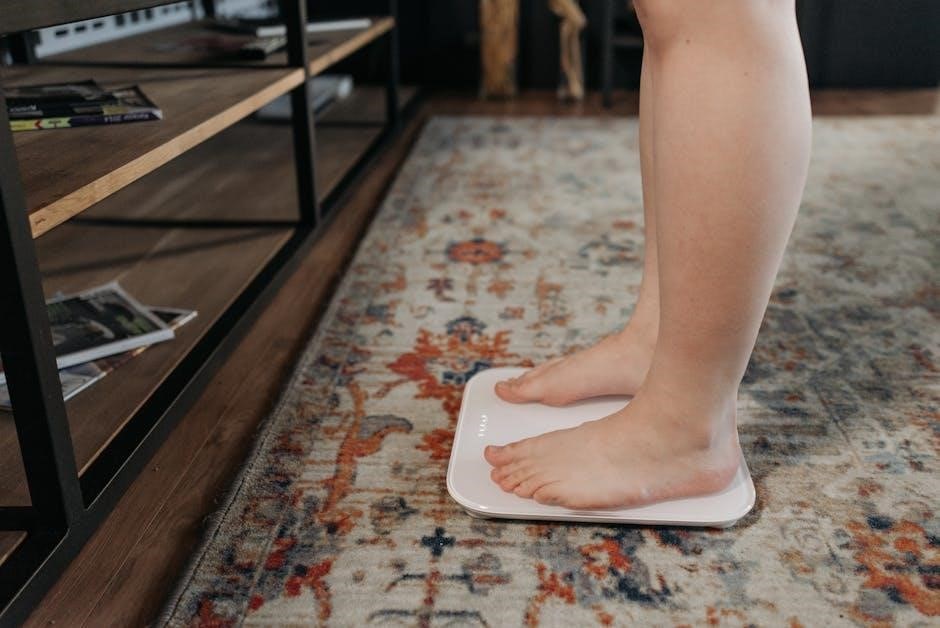
Calibration may also involve checking the scale’s response to known weights. If the scale doesn’t show the correct weight, you might need to adjust it using screws or on-screen adjustments. Always refer to the official documentation or support resources for precise steps specific to your scale.
Regular calibration helps in maintaining the scale’s accuracy over time. If you notice persistent inaccuracies despite calibration, consult the troubleshooting section of your user guide or reach out to customer support for assistance.
By ensuring regular calibration and maintaining optimal battery health, you can trust your Weight Watchers scale to provide accurate readings, supporting your weight management journey effectively.
Scale Applications
Your Weight Watchers scale is a versatile tool designed not only for weight tracking but also for integrating seamlessly into your weight-loss journey. It serves as a reliable companion for monitoring progress and ensuring consistency in your measurements. By connecting your scale to the Weight Watchers app, you can effortlessly sync yourweight data and track your weight loss over time.
User-friendly design allows for easy handling and storage, making it a practical addition to your daily routine. With the ability to sync measurements, you can stay motivated and accountable, ensuring that you meet your weight loss goals. Whether you’re using it at home, on the go, or as part of a broader wellness plan, the scale’s versatility is unmatched.
Additionally, the scale encourages healthier choices by providing insights into your weight changes and helping you make informed decisions about diet and exercise. Its integration with the Weight Watchers program ensures that you stay on track and achieve sustainable weight loss. With this tool at your disposal, you can take control of your health and achieve your weight-loss objectives with confidence and precision.
By utilizing your scale effectively, you can ensure that your weight management efforts are consistent and successful. Whether you’re using it to measure your weight, track your progress, or stay motivated, the scale is an essential component of your weight-loss toolkit. Start using your Weight Watchers scale today and take the first step toward achieving your weight-loss goals!
Getting the Most Out of Your Scale
To fully harness the potential of your Weight Watchers Scale, consistency is key. Weigh yourself at the same time each day, ideally in the morning after waking up, to track your progress effectively. Ensure the scale is placed on a flat, level surface for accurate readings, as uneven surfaces can lead to discrepancies in measurements.
Take advantage of the scale’s connectivity by syncing your weight data with the Weight Watchers app. This seamless integration allows you to monitor your weight loss journey digitally, providing insights and motivation to stay on track. Regular syncing ensures your data remains current and helps you make informed decisions about your diet and exercise routine.
Maintain accuracy by periodically recalibrating the scale, especially if you notice any irregular readings. Store your scale in a dry, safe place when not in use to preserve its functionality and extend its lifespan. By following these tips, you can maximize the benefits of your Weight Watchers Scale and achieve your weight loss goals with confidence and precision.
To maximize the effectiveness of your Weight Watchers Scale, consistency is key. Regular weigh-ins at the same time each day can provide accurate progress tracking. Utilize the accompanying Weight Watchers app to sync your data, enabling you to monitor trends and maintain accountability. Setting realistic and achievable goals will enhance your motivation.
Maintenance and-longevity
Ensure the scale is kept clean and stored properly when not in use to prolong its lifespan. Regular maintenance, such as dusting and checking for obstructions, can prevent malfunctions.
Calibration
Occasional recalibration of your scale is essential to maintain accurate readings. Follow the manufacturer’s guidelines for recalibration to ensure precision.
Motivational Tool
Remember, your scale is a tool to aid your weight management journey. Consistently using it can help you make informed decisions about your diet and exercise routines. With proper care and regular use, your Weight Watchers Scale can be a reliable companion on your path to a healthier lifestyle.
This thoughtful approach ensures you get the most out of your scale, supporting both your short-term goals and long-term well-being.
Leave a Reply
You must be logged in to post a comment.